The Strategic Workforce Planning session at ATC2025, presented by Chris Hare and Alicia Roach, was one of those moments that made you stop and rethink how your organisation really plans for the future. It unpacked what happens when workforce planning evolves from a numbers exercise to a true business capability – one that connects people, purpose, and performance. For anyone in Talent or HR who’s ever felt stuck in the cycle of reactive hiring, this session offered both a reality check and a roadmap forward.
Here’s what stood out for me, what it made me think about, and the questions I walked away with.
Key takeaways:
- Head count forecast is being replaced by job modelling in alignment with business outcomes.
- Recruitment planning for anything less than 6 months in advance keeps businesses in the reactive cycle.
- Your business is never too small to engage in strategic workforce planning if you are serious about growth and keeping your staff happy, secured and staying with you. Understanding role and skills change help with purpose clarity. We show up everyday for the purpose.
- Strategic leaders not only have a plan but also look at how every function in their business contributes to reaching their business objectives in that plan.
How it made me feel/think:
This session was an eye opener. I realised that many companies who are at the prime stage in their business cycles to elevate to tier 4 where they should include their TA function in the strategic planning beyond “how many heads do we need in the coming year”, to “what are the skills and capabilities that we need, what gives our people purpose while we deliver what we promise to clients”, are missing the opportunity because the function is still seen as tactical, especially SMEs (an observation).
What questions did I walk away with?
A lot, but we don’t have all day to pop all my mind grapes. So, here’s a few things that I had for myself to reflect on, and maybe it also resonates with my TA posse out there who are flying solo:
- Am I focusing on the right metrics to demonstrate beyond money saving value (how sustainable is this?).
- Have I been demonstrating the right outcomes and impacts to earn a spot in the strategy conversation? How can I model this impact year on year?
- Have I been using the right language and exercising enough empathy for their roles to effectively articulate strategic alignment between my capabilities and business objectives?
- Are the leaders ready to have this conversation? I think at some point we need to accept that if business leaders are not ready to have this conversation, we are talking to ourselves, asking rhetorical questions like proper crazies.
This was a very insightful session. I think many of us walked away with something whether it was reflection on our current processes or standing in the organisation or ideas to go back to discuss with our leaders.
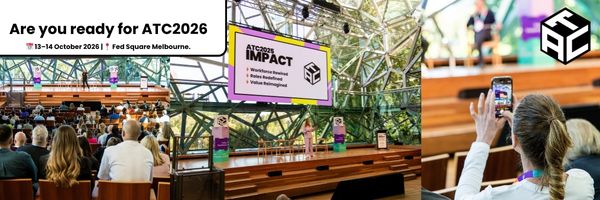
A message from ATC Team:
ATC2025 gave us so many moments worth remembering – insightful sessions, honest conversations, and that buzz of the Talent community coming together.
As we look ahead, planning for ATC2026 starts now.
Download the new ATC2026 Budget Planner to help make the case, secure funding, and bring your team along next year.
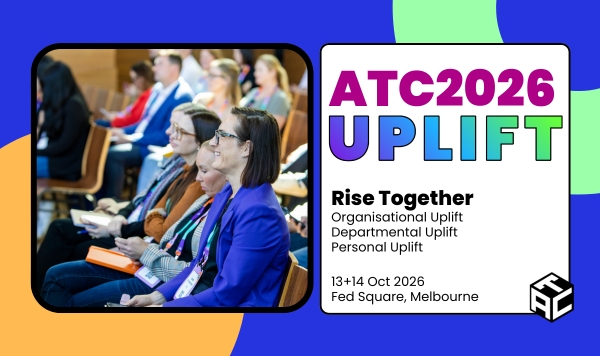
13–14 October 2026 | Fed Square, Melbourne