It’s about navigating life’s journeys with employees
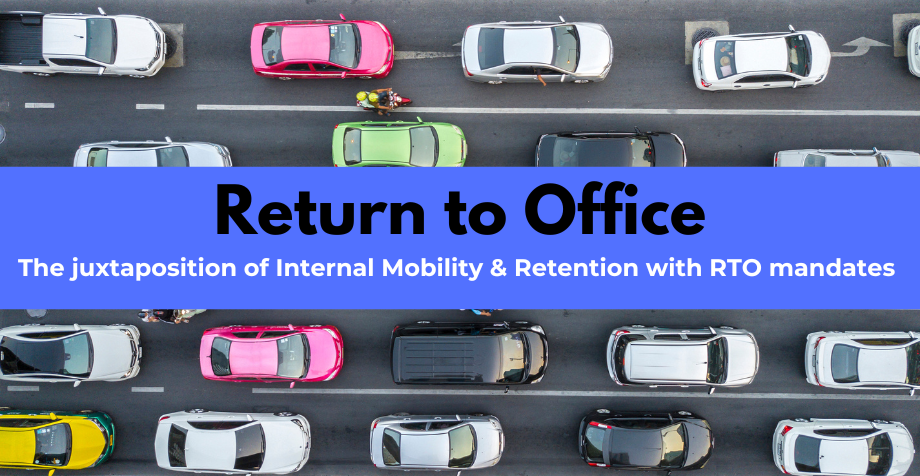
Return to office mandates are in the news again, with a recent article in the Sydney Morning Herald citing a KPMG chief executive survey showing that 82 per cent of respondents expect white-collar workers to be back in the office five days a week in three years.
Around the world, remote work versus returning to the office have dominated our conversations. Is everyone over the “How Many Days in the Office do you Prefer” polls? My response is always the same. “Well, which Jo are you asking?”
- The 18 year old me who wanted to be in an office SO BADLY because I was adulting BIG TIME, feeling very important and wanting to escape my housemates?
- The 28 year old me who wanted a day at home to focus but to be in the city for post-work drinks on a Friday?
- The 38 year old me who had a small child and but had access to daycare, so 3 full days in the office is great and two days of no work thanks, I’m busy spending a fortune on Babychinos?
- The 48 year old me who has moved 2 hours out of town to regional beach life where housing prices don’t make your eyes water.
Which one are you asking?
Because the answers are all different as life’s journey keeps changing. While these debates are important, we risk overlooking a more profound perspective: the intertwining of career and life.
The same goes for internal mobility plans. If we are striving to retain talent over extended periods, it’s time to shift our focus and embark on a life journey with our employees, not just a career journey. The workplace isn’t a vacuum; it exists within the broader context of our lives. If this essential factor is ignored we risk missing, or losing, great talent.
Flexible Work: A Bridge Between career and life
Rather than rigidly separating work and life, organisations can create a symbiotic relationship. Remote work offers flexibility, which has become a key driver for employee satisfaction and retention. In the talent acquisition field, the ability to offer remote work widens the candidate pool geographically and appeals to those seeking work-life balance – whether it is to work around family commitments or a lifestyle choice.
This flexibility often leads to increased job satisfaction and higher retention rates, reducing recruitment costs and turnover. In competitive markets, companies offering WFH arrangements have an advantage in attracting top talent.
Key considerations include:
- Flexible Schedules: Acknowledging that life doesn’t adhere to a 9-to-5 schedule. By allowing employees to scale their work hours up or down, we empower them to fit work into their lives. Whether it’s attending a child’s school event or caring for an aging parent, flexibility fosters loyalty and commitment.
- Remote Work: The pandemic accelerated remote work adoption and we have seen its evolution over the past 4 years. But it is not just about convenience; it’s about recognising that work can happen effectively beyond office walls.
- Wellness Programs: Genuinely invest in employee well-being. Health issues impact productivity and morale. By offering wellness initiatives that are tailored to your workplace, such as mental health support, opportunities to socialise and exercise, organisations can demonstrate genuine care for their employees’ overall quality of life.
Permission to prioritise life
Our current workforce at ATC is made up of a blend of full-time, part-time and contract workers who all have different priorities in their lives. Conversations at the start of employment have been about hours per week that the tasks will take, not what hours people will be expected to be online. This has allowed ATC to access Talent that otherwise may not have been available.
My takeaway lesson? Let’s flip the narrative. Instead of asking employees to fit life around work, let’s give them permission to prioritise life. When we do, we foster loyalty, reduce burnout, and create a workplace where people thrive. For more and more people the journey isn’t just about climbing the corporate ladder. As an employer, this should not be considered a reflection of someone’s ambition or commitment to work, but simply an acknowledgment of a choice by an individual.
Offering the ability to work where you want when you need, also significantly broadens your total addressable talent pool and if you have access to top candidates, you’ll see productivity thrive because of the quality of the candidates you can now access. It’s good all round.