If there was a perfect storm in the world of talent, it would be one that promises high demand, low supply, precarious market conditions, challenging new health and regulatory requirements, and a wave of resignations. Some talent functions are facing the storm in a warship with a well-defined battle strategy and others in a sailboat, underequipped and unprepared.
The discussion that took place in the recent webinar, What’s the Current State of Talent Acquisition? certainly gave us clear insight into these challenges that talent teams are feeling right now, and the concerns and opportunities for talent functions as we move into 2022.
The recording is now available, so whether you missed the discussion, want to share it with your colleagues, or just want to re-watch the conversation you can do so by watching the video below.
Here’s a quick re-cap of some of the key discussion points:
- TA functions need to make the call as to whether they will meet business demands or work to re-set expectations, both for candidates and hiring managers.
- 58% of TA teams report being well or adequately funded, but what does that really mean?
- On average, talent teams rated themselves as 7.3/10 for delivering the right talent at the right time, but when asked whether they had adequate talent pipelines teams only rated themselves an average of 4.4/10
- The new market is a global one as more workers look to work from their country of choice, but what are the implications and challenges of hiring and talent management in foreign jurisdictions?
- Flexibility seems to be the new normal for many organisations moving into 2022, but only 50% of talent teams were open to hiring part-timers with the right skillset.
- While 77% of talent teams have diversity initiatives in place, these are predominantly focused around encouraging women into male-dominated fields, leaving huge scope for expanding and improving diversity initiatives in a real way.
- Is The Great Resignation really coming? Results are split 49-51% as to whether Aus/NZ talent reams are feeling the pressure.
- Only 28% of talent teams feel they effectively partner with their tech providers, a fact which potentially contributes to reduced satisfaction and optimisation with talent tech stacks.
- We’re at risk of burn-out in the industry, with the average talent professional rating their current energy levels at only 5.7/10.
Download the 2021 State of Talent Acquisition Report

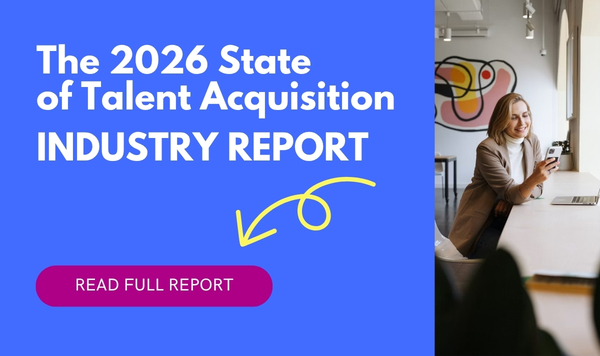
We’ve also just released the 2021 State of Talent Acquisition Report for download, which provides a full analysis into the outlook for talent teams heading into 2022.
Developed by ATC Events & Media in partnership with Globalization Partners, this report has been designed as a resource to help you understand the possible challenges ahead, how other talent teams are responding, and provide benchmark data against which to review your own function.